Introduction to Asylum Seeking in the USA
Asylum seeking in the United States is a critical legal process that enables individuals fleeing persecution in their home countries to obtain protection. Under U.S. law, an asylum seeker is defined as someone who is unable or unwilling to return to their home country because of a well-founded fear of persecution based on race, religion, nationality, membership in a particular social group, or political opinion. This definition underscores the humanitarian commitment of the United States to uphold human rights and provide refuge to those in dire need.
The process of seeking asylum begins with the applicant filing their request within one year of arriving in the United States. During this period, asylum seekers must provide credible evidence of their fear of persecution, detailing the circumstances that led them to leave their country. The legal framework is designed to ensure that those who legitimately face threats to their safety have a structured path to gain refuge. The process can involve interviews with immigration officials, comprehensive assessments, and potentially lengthy waiting periods, reflecting the complexity of immigration laws.
The significance of seeking asylum goes beyond legal definitions; it embodies a response to various global crises such as armed conflict, political instability, violation of human rights, and economic hardships that force individuals to make tumultuous decisions. Global factors like wars, oppressive regimes, and natural disasters often compel people to leave their homes in search of safety and a better life. Asylum seekers represent the resilience of humanity, seeking refuge and an opportunity to rebuild their lives in a country that values diverse backgrounds and experiences. Ultimately, understanding the demographics and motivations behind asylum seeking is crucial to fostering a more compassionate and informed approach to immigration policy in the U.S.
Overview of Asylum Seeker Statistics
Asylum seekers in the United States are individuals who flee their home countries due to persecution or a well-founded fear of persecution based on race, religion, nationality, political opinion, or membership in a particular social group. The latest statistics reveal significant insights into the current state of asylum seekers in the USA, comprising a pivotal understanding of the broader demographics involved.
In recent years, the United States has witnessed fluctuations in the number of asylum applications. As of 2023, the U.S. Citizenship and Immigration Services (USCIS) reported that approximately 150,000 applications for asylum were filed within the year. This marks a notable increase compared to the previous year, where around 120,000 applications were recorded. Such upward trends in asylum applications can be attributed to various global factors, including ongoing conflicts, economic instability, and human rights violations prevalent in different regions worldwide.
The data also indicates discernible trends over the past decade. Specifically, there has been a marked increase in applications from individuals originating from Central American countries, particularly Guatemala, Honduras, and El Salvador. Moreover, over the last five years, the overall profile of asylum seekers has diversified, with significant numbers emerging from regions such as South America, Africa, and the Middle East.
The duration of the asylum application process remains a crucial factor in understanding the experiences of asylum seekers. Historically, the adjudication process can take several months to years, with current averages hovering around 1 to 3 years for initial decisions. Variations occur based on the caseload of immigration courts and changes in immigration policies, further highlighting the challenges faced by those seeking refuge.
Top Nationalities of Asylum Seekers in the USA
In recent years, the United States has seen a significant influx of asylum seekers from various nations, driven by political turmoil, violence, and economic strife. Understanding the demographics of these individuals requires a closer examination of the nationalities with the highest number of asylum applications. The following countries represent the top nationalities among those seeking refuge in the USA.
El Salvador has consistently topped the charts, with thousands of individuals applying for asylum. Many Salvadorans face dire situations due to gang violence, extortion, and threats against their lives, prompting them to seek safety in the U.S. Roughly 25,000 applications were recorded last year, underscoring the escalating crisis in the region.
Guatemala follows closely, with an increasing number of asylum seekers fleeing from poverty and violence. In 2022, over 20,000 Guatemalans sought asylum, often citing domestic abuse and rampant crime as their primary reasons for leaving their homeland. The precarious socio-economic conditions make it exceedingly challenging for individuals to remain safely residing in Guatemala.
Honduras is another country contributing to the surge of asylum seekers, with approximately 18,000 applications recorded. Similar to their neighbors, many Hondurans are escaping gang violence and a deteriorating political environment. The combination of natural disasters, such as hurricanes, has further exacerbated the injustices faced by the population.
Additionally, individuals from Venezuela are increasingly seeking asylum, with the numbers reaching around 15,000 applications each year. Political oppression and economic collapse have forced Venezuelans to leave in search of safety and a better standard of living.
These countries represent just a portion of the broader asylum-seeking demographic. Numerous other nationalities, including those from Syria, Afghanistan, and the Democratic Republic of Congo, also play a critical role in shaping the landscape of asylum applications in the United States.
Reasons Behind Asylum Seeking Trends
The demographics of asylum seekers in the United States reflect deeply rooted issues within their countries of origin. A significant number of asylum applications stem from individuals fleeing political unrest, violence, and systemic persecution. In particular, nations experiencing civil wars or authoritarian regimes often see a sharp increase in their citizens seeking refuge abroad. For example, countries like Venezuela, Syria, and Afghanistan have witnessed a mass exodus due to prolonged conflicts and human rights violations that make day-to-day life unsustainable.
Political unrest often generates a climate of fear, compelling individuals to seek asylum to escape persecution based on their political beliefs or affiliations. This trend is particularly evident in countries where dissent is met with harsh repercussions, forcing individuals to abandon their homes and seek safety in the United States, where they hope for a more stable and democratic environment.
Moreover, violence, whether it be gang-related or state-sponsored, also propels individuals to flee. In Central American nations such as El Salvador and Honduras, rampant gang activity and violent crime have become pervasive, making many neighborhoods dangerous and uninhabitable. As a result, citizens are increasingly turning to the U.S. as a beacon of safety and a place where they can rebuild their lives free from fear.
Economic instability is another driving factor behind asylum-seeking trends. Individuals in countries facing extreme poverty and precarious economic situations often view the United States as a land of opportunity, where they can secure a better future for themselves and their families. This intersection of political, social, and economic factors highlights the complexities surrounding asylum applications and the diverse motivations driving individuals to seek refuge in the United States.
Challenges Faced by Asylum Seekers
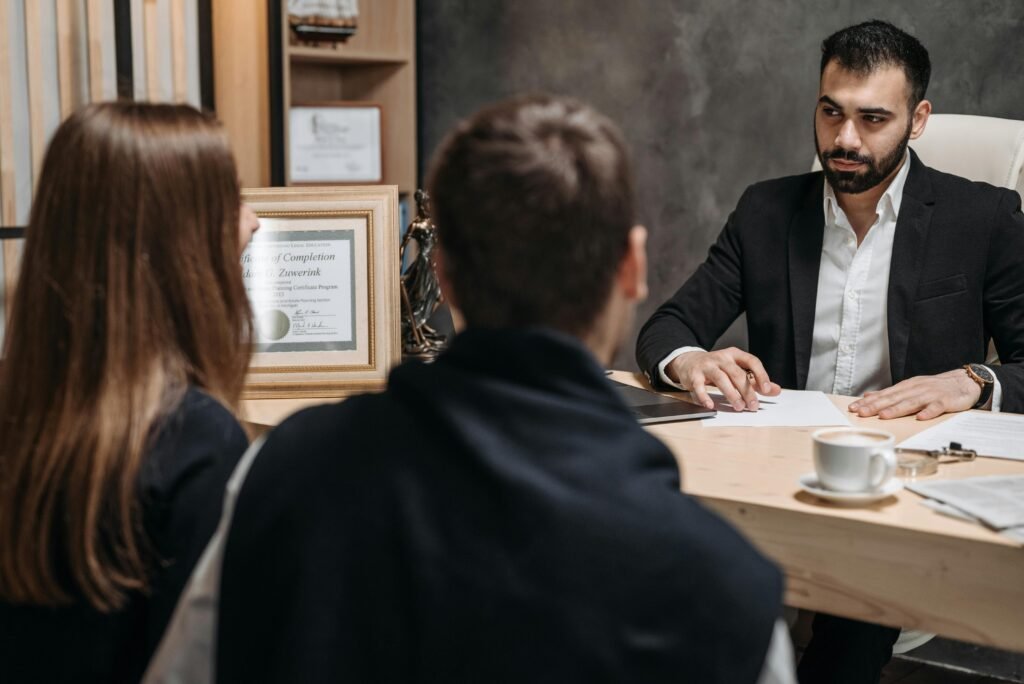
Asylum seekers in the United States confront a multitude of challenges throughout their journey, particularly during the application process and their subsequent settlement. One prominent issue is the legal hurdles that many face. The United States has a complicated immigration system, and navigating the legal landscape can be overwhelming. Asylum seekers often require assistance from legal representatives to ensure their applications are completed correctly and on time. Without such help, applicants risk their claims being denied simply due to procedural missteps or inadequate documentation.
Living conditions present another serious challenge for those seeking asylum. Many asylum seekers arrive with minimal resources, which forces them to rely on shelters, temporary housing, or sometimes even friends and family who are already settled. These conditions can often be inadequate, lacking basic necessities and safety. Furthermore, limited access to healthcare, employment opportunities, and language barriers can severely hinder their ability to adapt to their new environment effectively. Without stable housing and financial security, the emotional toll on asylum seekers can significantly affect their mental health and well-being.
Social responses also play a critical role in the experiences of asylum seekers. Although many communities in the U.S. extend support and welcome to those fleeing persecution, there are also instances of hostility and discrimination. Negative public perceptions and political rhetoric can exacerbate the difficulties faced by asylum seekers, contributing to a sense of isolation and fear. Many asylum seekers find themselves in precarious social situations, which can hinder their ability to integrate into society and pursue their goals.
Asylum seekers’ hardships are multifaceted, entailing legal, living, and social challenges from their initial application through to settlement. Addressing these issues is crucial for aiding their transition and ensuring their protection and integration within American society.
The Legal Process of Seeking Asylum in the USA
The legal framework for seeking asylum in the United States is governed primarily by federal law, which reflects the country’s commitment to providing refuge for those fleeing persecution. An individual may apply for asylum if they have a well-founded fear of persecution based on race, religion, nationality, membership in a particular social group, or political opinion. The process begins with the asylum application, which must be filed within one year of the individual’s arrival in the U.S., except under certain circumstances that may warrant an exception.
Once the application, known as Form I-589, is submitted, the asylum seeker is scheduled for a biometric appointment to collect fingerprints and background information. Following this, an interview is conducted with an Asylum Officer. The interview is a crucial component where the applicant must present their case, detailing their fear of persecution and any supporting evidence. Asylum seekers have the right to an attorney during this process, though they are not provided by the government.
If the Asylum Officer grants the application, the individual is permitted to stay in the U.S. and can eventually apply for permanent residency. However, if the application is denied, the case may be referred to an immigration court, where a judge will review the application and make a final decision. It is important for asylum seekers to understand their rights throughout these proceedings, including the right to appeal a negative decision. The role of immigration courts is critical in this context, as they serve as arbiters of legal disputes involving asylum claims.
In summary, the asylum process in the United States is a multi-step procedure designed to assess the credibility of applicants’ claims while ensuring legal protections are upheld. Understanding the full scope of this process is essential for those considering or currently navigating the asylum system.
Impact of Asylum Seekers on American Society
The presence of asylum seekers in the United States significantly influences various facets of American society. Economically, they contribute to local communities by filling labor shortages in numerous sectors, such as agriculture, hospitality, and healthcare. Their participation in the workforce often helps sustain industries that would otherwise struggle to find employees. In addition to labor, many asylum seekers are entrepreneurs who establish businesses, providing job opportunities not only for themselves but also for native citizens, thus benefiting the overall economy.
Culturally, asylum seekers introduce a rich tapestry of traditions, languages, and customs that enhance the multicultural fabric of American society. This cultural diversity fosters greater awareness, understanding, and appreciation of different ways of life among the native population. Festivals, culinary diversity, and artistic expression brought by asylum seekers promote community engagement and cultural exchange, enriching the social landscape.
However, the influx of asylum seekers can also spark tensions within communities. Concerns around resources such as housing, healthcare, and education can lead to negative perceptions among some segments of the population. Misunderstandings and fear of the unknown may incite xenophobia or social division, challenging community cohesion. The manner in which society perceives and interacts with asylum seekers often hinges on individual values, beliefs, and previous encounters with immigrant groups.
Ultimately, the impact of asylum seekers is multifaceted, encompassing both positive contributions and challenges. Their economic participation and cultural offerings enrich American society, while at the same time, there exist social tensions that require ongoing dialogue and proactive measures. Balancing the benefits of embracing asylum seekers with addressing community concerns remains essential for fostering a united and thriving society.
Recent Policy Changes Affecting Asylum Seekers
In recent years, the landscape of asylum policies in the United States has undergone significant transformations. These changes, driven by both federal and state-level regulations, have reshaped the pathways through which asylum seekers can navigate the immigration system. Among the most notable federal reforms include the implementation of the Migrant Protection Protocols, commonly known as the “Remain in Mexico” policy, which mandated that asylum seekers return to Mexico while awaiting their hearing dates in the United States. This policy aimed to deter migration by imposing greater obstacles to those seeking refuge, sparking widespread criticism from human rights advocates over concerns regarding the safety and wellbeing of vulnerable populations in border regions.
Additionally, the introduction of expedited removal procedures has expedited the handling of certain asylum cases, allowing for quicker determinations. Critics argue that such procedures often undermine the integrity of the asylum process, as individuals may not have adequate opportunities to communicate their need for protection. Examining recent state-level initiatives reveals divergent approaches, with some states advocating for stricter enforcement measures while others have enacted policies designed to provide sanctuary and support for asylum seekers. This patchwork of regulations presents both challenges and opportunities for those seeking asylum, often forcing them to navigate an increasingly complex system.
The rationale behind these policies often relies on concerns regarding national security, economic impact, and the perceived burden on public resources. However, these measures have raised critical questions about the United States’ commitment to international human rights obligations. As lawmakers continue to debate and refine asylum policies, the implications of these changes are likely to be far-reaching, impacting future cohorts of asylum seekers who may face a daunting landscape in their pursuit of safety and security. Understanding these recent policy shifts is essential for comprehending the current state and future of asylum in the U.S.
Conclusion and Future of Asylum Seeking in the USA
Understanding the demographics of asylum seekers in the USA is crucial for making informed policy decisions and developing social support systems. The range of nationalities represented among asylum seekers highlights various global conflicts and human rights issues, signaling a need for increased awareness and understanding within American society. As the landscape of global migration evolves, so too will the characteristics of individuals seeking asylum, necessitating an ongoing examination of demographic data.
Looking toward the future, it is anticipated that the numbers and nationalities of asylum seekers may shift in response to changing geopolitical climates, economic conditions, and environmental crises. For instance, increased instability in regions affected by climate change could lead to a surge in environmental refugees, thereby changing the demographics of those seeking refuge in the U.S. Similarly, strained diplomatic relations may influence the flow of asylum seekers from certain countries.
Furthermore, evolving legal frameworks will undoubtedly shape the experiences of asylum seekers. Legislative changes at state and national levels could either facilitate or hinder the asylum process, influencing the overall number of individuals fleeing persecution. As public attitudes towards refugees and asylum seekers shift, the challenge will be to balance humanitarian commitments with national security concerns. Addressing these trends and understanding the specific demographic needs of asylum seekers will be critical in determining how effectively the USA can support these individuals seeking protection.
In summary, analyzing the demographics of asylum seekers provides valuable insights that have broad societal implications. By fostering an environment that is conducive to understanding and empathy, the U.S. can better navigate the complexities associated with asylum seeking, ultimately promoting a more inclusive society that recognizes the resilience and rights of individuals in search of safety.
About the Author